TL;DR / Executive Summary
- In the week beginning September 28th 2026, SpaceX’s Starship reached orbit and deployed 23 Starlink V3 satellites, while the company also completed three Falcon 9 launches and a Dragon docking with the ISS within 13 hours.
- One Falcon 9 mission, Transporter-18, carried around 130 payloads, including satellites and vehicles from ICEYE, SatVu, D-Orbit and Tomorrow.io.
- Greater launch capacity and reliability are accelerating innovation across Earth observation, weather intelligence, in-orbit logistics and the wider commercial space economy.
[Credit: SpaceX]
Last week, SpaceX delivered an extraordinary demonstration of what modern launch operations can achieve.
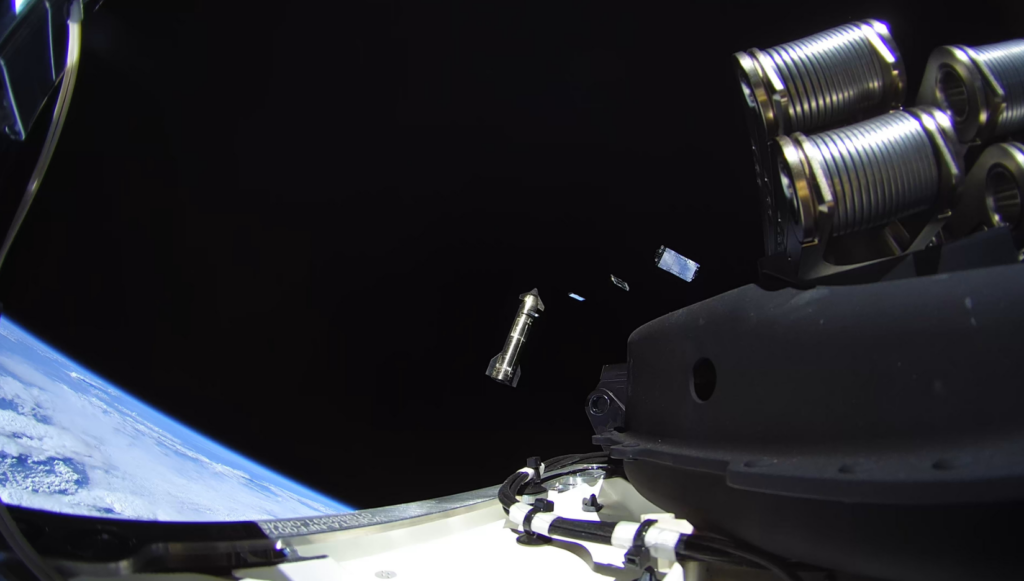
Starship reached orbit for the first time, deploying 23 Starlink V3 satellites and marking another significant step towards reducing the cost of access to space while expanding launch capacity at an unprecedented scale. As the largest and most powerful rocket ever built, Starship is designed to carry far greater payloads than today’s launch vehicles and is central to SpaceX’s various ambitions like expanding deep-space infrastructure and enabling routine human spaceflight.
Starship, however, was only part of the story.
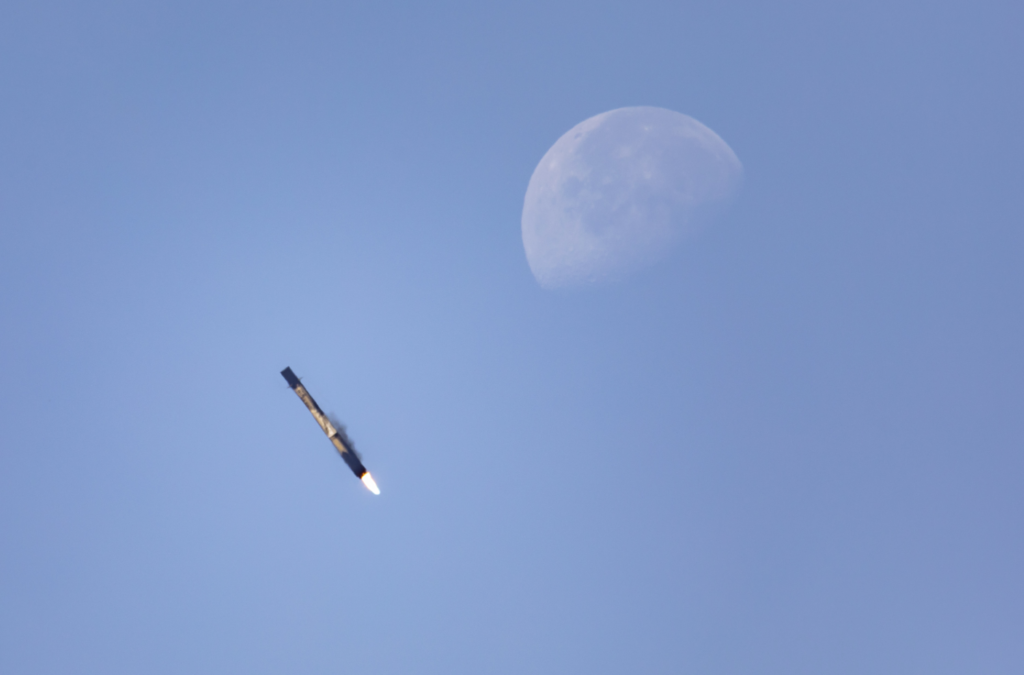
In less than 13 hours, SpaceX completed three Falcon 9 launches and docked a Dragon spacecraft with the International Space Station on its 21st crewed mission. Falcon 9, the company’s reusable workhorse rocket, has become the backbone of global launch activity, regularly transporting satellites, cargo and astronauts to orbit.
While Starship and the sheer capability of SpaceX captured global attention, our focus was on one of the three Falcon 9 launches within that remarkable 13-hour period: Transporter-18.
[Credit: SpaceX]
Transporter-18: Enabling the Next Generation of Space Companies
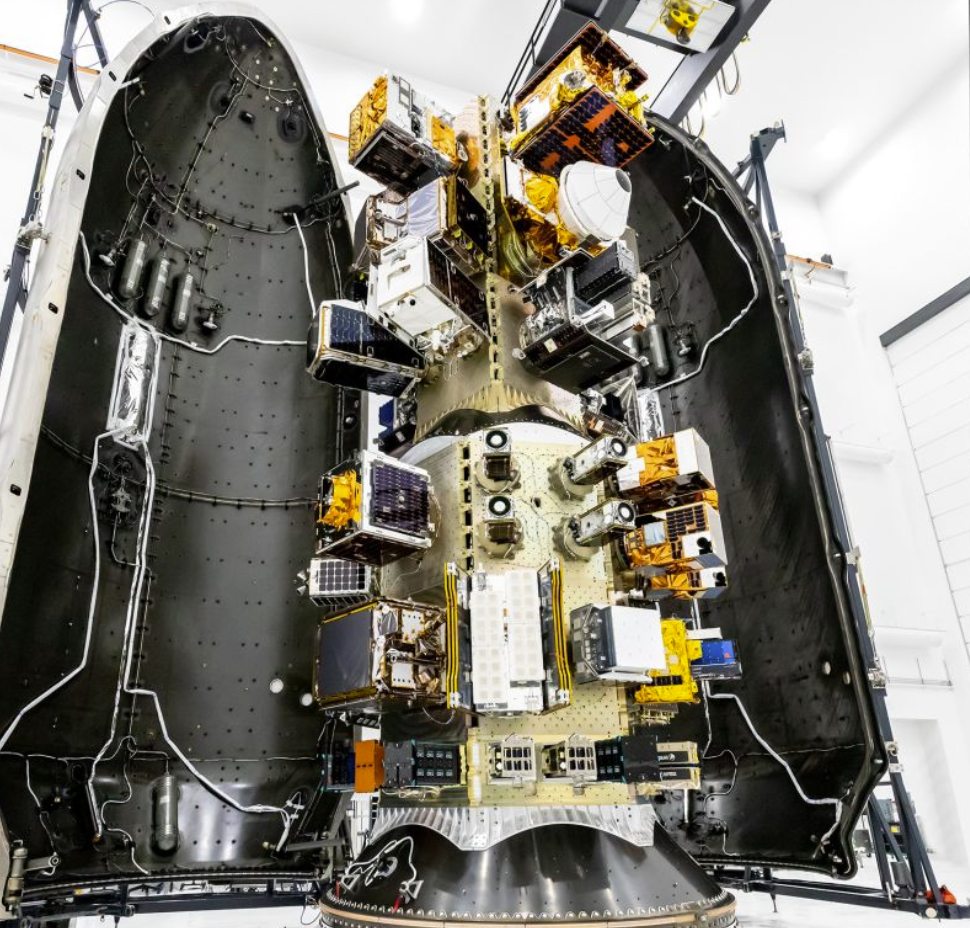
Launching from Vandenberg Space Force Base on 1 October, the dedicated rideshare mission delivered approximately 130 payloads to orbit. Now with 18 missions under its belt, this programme has become a critical enabler for venture-backed space companies, providing affordable, frequent launch opportunities and accelerating the deployment of new capabilities.
Among the payloads delivered were several companies from the Seraphim ecosystem, each contributing to a different layer of the expanding space economy:
ICEYE continued to expand its market-leading SAR constellation, strengthening its ability to deliver all-weather, day-and-night Earth observation data.
SatVu doubled its thermal imaging capabilities, with its HotSat-3 satellite launching, providing unique insights into economic activity, critical infrastructure and climate monitoring.
D-Orbit launched three of its ION Satellite Carrier vehicles, helping move nearly 1.5 tonnes into orbit.
Tomorrow.io enhanced its space-based weather intelligence network, launching two more microwave sounders (S-12 and S-13), supporting more accurate forecasting and better operational decision-making worldwide.
[Credit: SpaceX]
Lower launch costs and increasing launch frequency are creating an environment in which innovative companies can focus on building transformative products and services rather than spending years waiting for a path to orbit.
As launch becomes more affordable, frequent and reliable, the pace of innovation across the commercial space sector will only accelerate. Missions like Transporter-18 are a clear demonstration of that momentum, and of how quickly the future of the space economy is arriving.