Hubble Network, our portfolio company, has raised $70 million in Series B funding to expand its global network of satellites that can talk to Bluetooth devices on Earth. This brings the total investment in the company to $100 million.
We’ve been following Hubble’s journey from the start, and this new funding marks a major step in turning its technology into a real-world service that everyday industries can rely on.
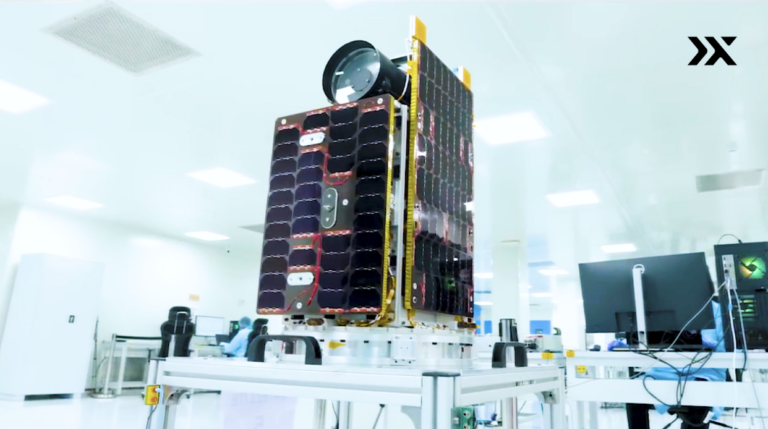
Hubble already has seven satellites in space. These satellites can pick up signals from standard Bluetooth devices, like the ones used in tags, sensors, or wearables. Instead of sending large amounts of data like a phone call, these devices send tiny bursts of location information that can be picked up from orbit.
This funding will help Hubble grow its network to 60 satellites by 2028. The company is already working with more than 10 pilot customers, who have millions of devices connected. The goal is to scale that up to billions of connected devices in the future.
Right now, most connected devices need Wi-Fi or mobile networks to work, but those aren’t always available, especially in remote areas. Hubble is solving this by using satellites that can connect directly to Bluetooth devices, even in places where there’s no phone signal.
This is useful for:
Hubble’s approach means lower costs, longer battery life, and fewer hardware changes compared to mobile-based options.
We invested in Hubble in 2023 to help with the launch of its first satellite. This type of space-enabled technology fits exactly what our team is looking for: useful both in everyday life and in more specialised roles like government or infrastructure.
By using something as common as Bluetooth, Hubble is opening the door to global connectivity that’s easy to adopt and doesn’t need a mobile contract.
Hubble plans to grow from seven to 60 satellites over the next few years. That will give it near-complete global coverage.
This is one of the most exciting new technologies in global tracking and connectivity. It brings together two everyday things — satellites and Bluetooth — in a way that could change how we connect devices all over the world.